
We Can’t Cure It
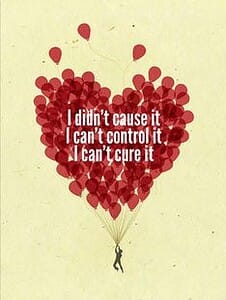
| Our newsletters for the past few months have discussed how addiction is a family disease. Part of understanding this is accepting the 3 C’s of addiction: We didn’t Cause it – addiction is a disease, there is nothing we did or didn’t do that caused our loved one to become addicted. We can’t Control it – no one, not even the addict, can control the addiction. It’s cunning, baffling, and powerful. This month we’re focusing on the point that we can’t Cure the addiction. “The American Medical Association recognizes alcoholism as a disease which can be arrested but not cured… Alcoholism is a lifetime disease. Most authorities agree that even after years of sobriety, alcoholics can never again control their drinking once they start.”* It’s a chronic, progressive illness which can only be put into remission through abstinence. Addiction is a physical, mental, and spiritual disease – the physical reaction, the mental obsession, and the feelings of disconnect and isolation are just a few of the symptoms which end up affecting every aspect of the person’s life. There’s nothing we can do to cure it – even the addict himself can’t cure it. But the addiction can be arrested. Twelve Step peer support groups, such as Alcoholics Anonymous or Narcotics Anonymous can help the person learn ways to live without dependence on substances. It is said that only an addict can help another addict since only they know what goes on in the mind of another. Together they can learn new tools for living life and managing their emotions and begin the healing process for the mental obsession and spiritual disconnection. So, if there’s no cure, can there be any hope for my loved one or my family? Can families play any role? The answer is yes, there is always hope! “Families can have a powerful impact on their addict’s struggle for recovery. Studies have shown time and again that addicts who feel connected to a family that supports their recovery (even if that family is just one person) have a better chance of staying clean than those who believe that no one cares. However, there is a catch. The families themselves must be healthy if they hope to have a positive influence on their loved one.”** We can be that support by: > Educating ourselves about the disease of addiction and the recovery process > Learning the difference between enabling and supporting our loved one > Recognizing where we too have been in denial and acknowledging our own pain and fears > Letting go of guilt > Seeking help from others who understand (12 Step groups such as Al-Anon or NarAnon are good places to start) > Beginning to learn new ways of responding to situations > Making our own peace of mind and well-being our top priority “The best help family members can give is to seek help and treatment for themselves so that they will not play into the progressive illness pattern of the alcoholic.”^ When we can begin to accept and understand the 3 C’s we open ourselves up to hope. Hope that as we become healthier, we will experience greater peace and contentment in our lives. And in turn, we will have greater compassion for our loved one who is suffering and be able to love and support them more fully. ~ Amy Lauber * Alateen Hope for Children of Alcoholics, copyright 1990 by Al-Anon Family Group Headquarters, Inc Reprinted by permission of Al-Anon Family Group Headquarters, Inc. page 3 **Addict in the Family, copyright 2003 by Hazelden Foundation, pages 15-16 ^ A Guide for the Family of the Alcoholic Al-Anon, copyright 2004 by Al-Anon Family Group Headquarters, Inc Reprinted by permission of Al-Anon Family Group Headquarters, Inc. |

| QUOTES: “God grant me the serenity To accept the people I cannot change Courage to change the one I can And wisdom to know that one is me“ |