We Didn’t Cause It
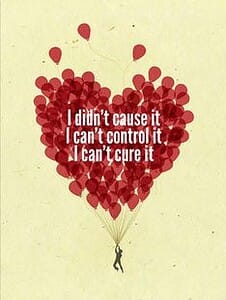
| Last month’s newsletter introduced the 3 C’s of addiction: We didn’t Cause it We can’t Control it We can’t Cure it This month we’re focusing on the point that we didn’t cause the addiction. “Alcoholism isn’t caused by our family problems, our actions or inactions, what we’ve said or haven’t said, or how we appear. Alcoholics might blame their drinking on the people they love, but they drink because they have a disease. It’s as simple as that.”* Addiction is a complex illness, with no one specific cause. Many factors can contribute, including environment, trauma, and biology. It is often referred to as an allergy. Those of us who have allergies know that nothing we do will stop our bodies from reacting to the allergen. The same is true for those with the disease of addiction – their physical bodies will always react to the alcohol or drug differently than those who do not have the allergy. But no one caused it – not even the person suffering from the addiction. They have simply found a solution that works to numb or escape their inner pain – sadly a solution with dire consequences. One way to help us accept that we didn’t cause the addiction is to recognize our own powerlessness. Step 1 of the Twelve Steps says “We admitted we were powerless over alcohol, that our lives had become unmanageable.” We are powerless over what alcohol or drugs do to our loved one and how that, in turn, affects our lives. Accepting this allows us to see the situation from a different point of view and makes us aware of new possibilities for our own behaviours, such as responding rather than reacting, or not taking on blame. We can let go of guilt, shame, feeling overly responsible, anxiety, anger, fear, and our obsession with the addict. We can detach and allow our loved ones to live their own lives, make their own decisions, and hopefully, find the help they need. We then have the freedom to take care of ourselves and focus on our own healing from the effects of addiction. Understanding that we didn’t cause our loved one to become addicted, shifts our perspective and opens us up to hope – hope that we can learn new ways to live, hope that if we become healthier, we’ll be able to love and support our loved one more fully. And, in time, begin to have compassion, knowing that they too are suffering from the effects of addiction. ~ Amy Lauber *From How Al-Anon Works for Families and Friends of Alcoholics, copyright 2008 by Al‑Anon Family Group Headquarters, Inc. Reprinted by permission of Al‑Anon Family Group Headquarters, Inc., page 17 |
| Quotes “One beautiful day, a man sat down under a tree, not noticing it was full of pigeons. Shortly, the pigeons did what pigeons do best. The man shouted at the pigeons as he stormed away, resenting the pigeons as well as the offending material. But then he realized that the pigeons were merely doing what pigeons do, just because they’re pigeons and not because he was there. The man learned to check the trees for pigeons before sitting down.” ~Courage to Change March 14 |